



Introduction
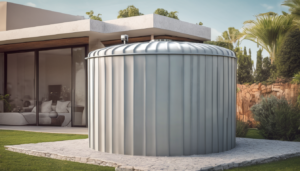
Understanding Concrete Vs. Plastic: Which Tank Material Is More Durable is essential. Water tanks are essential for storing potable water in residential and commercial settings. Two of the most common tank materials used today are concrete and plastic. This article compares these two materials, focusing specifically on their durability to help you decide which is better suited for your needs.
Understanding Concrete vs. Plastic: Which Tank Material is More Durable?
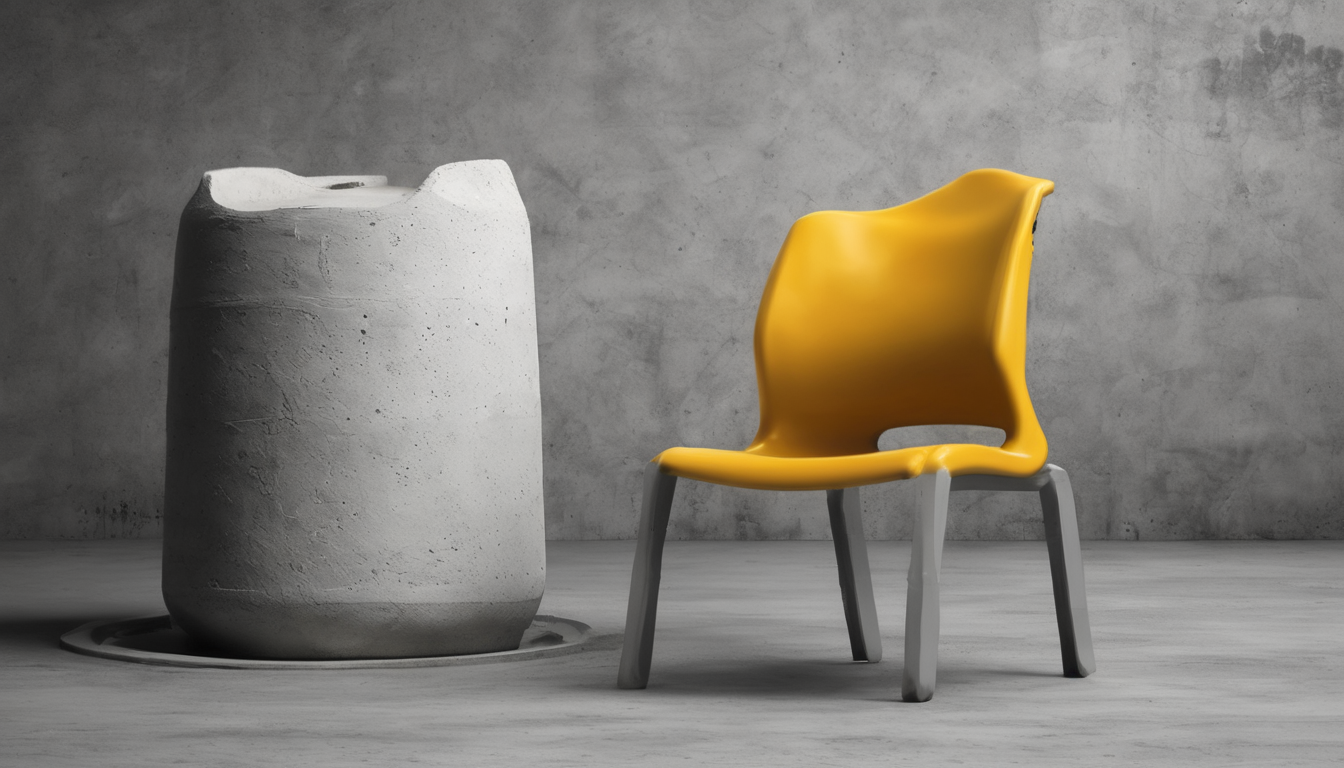
Concrete and plastic tanks are both designed to store water in a safe, hygienic manner but differ significantly in terms of material properties. Understanding these differences is crucial for making an informed decision. This relates directly to Concrete vs. Plastic: Which Tank Material Is More Durable.
Concrete Tanks
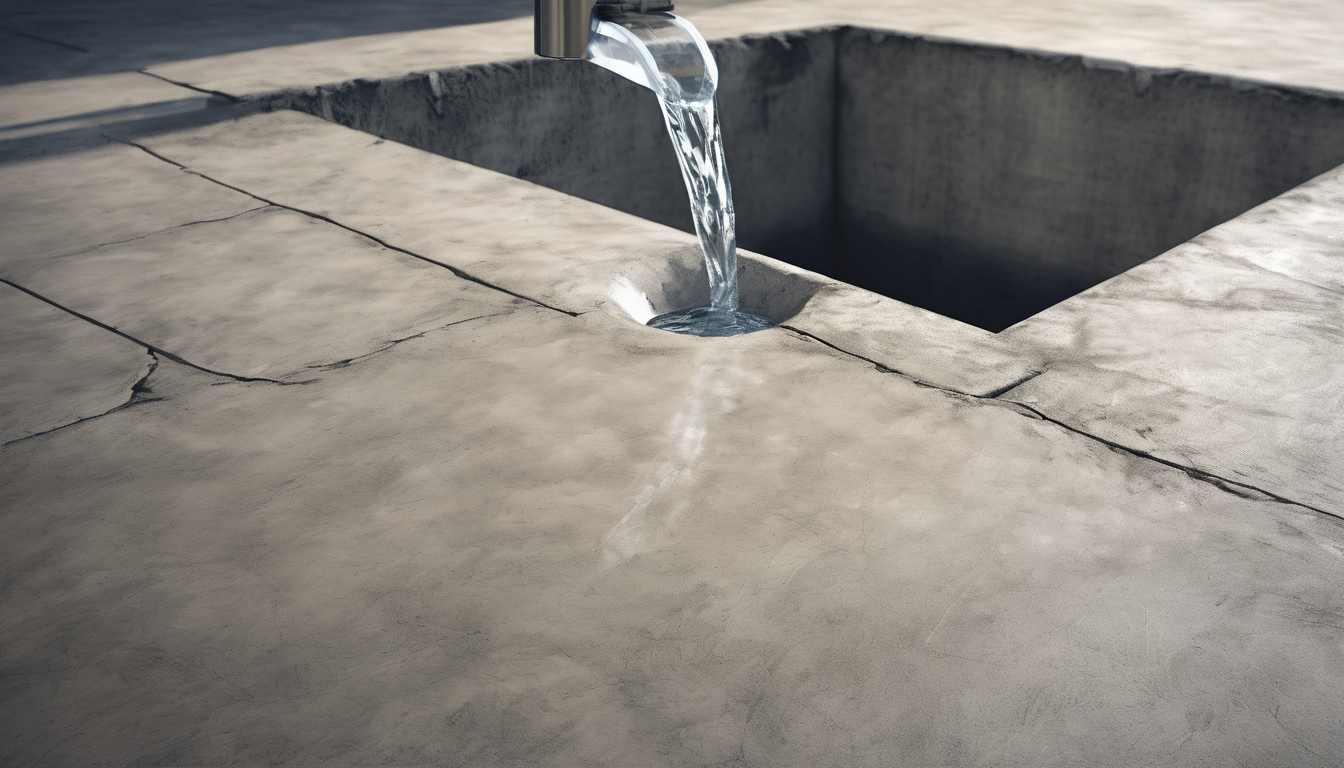
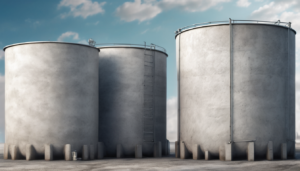
- Durability: Highly durable with a long service life due to their robust construction and ability to withstand high pressures and temperatures.
- Maintenance: Requires regular inspections for cracks, leaks, and potential termite damage. Repairs can be complex and costly.
- Aesthetics: Typically a grey or brown color with a rough texture, which may not suit all architectural designs.
Plastic Tanks
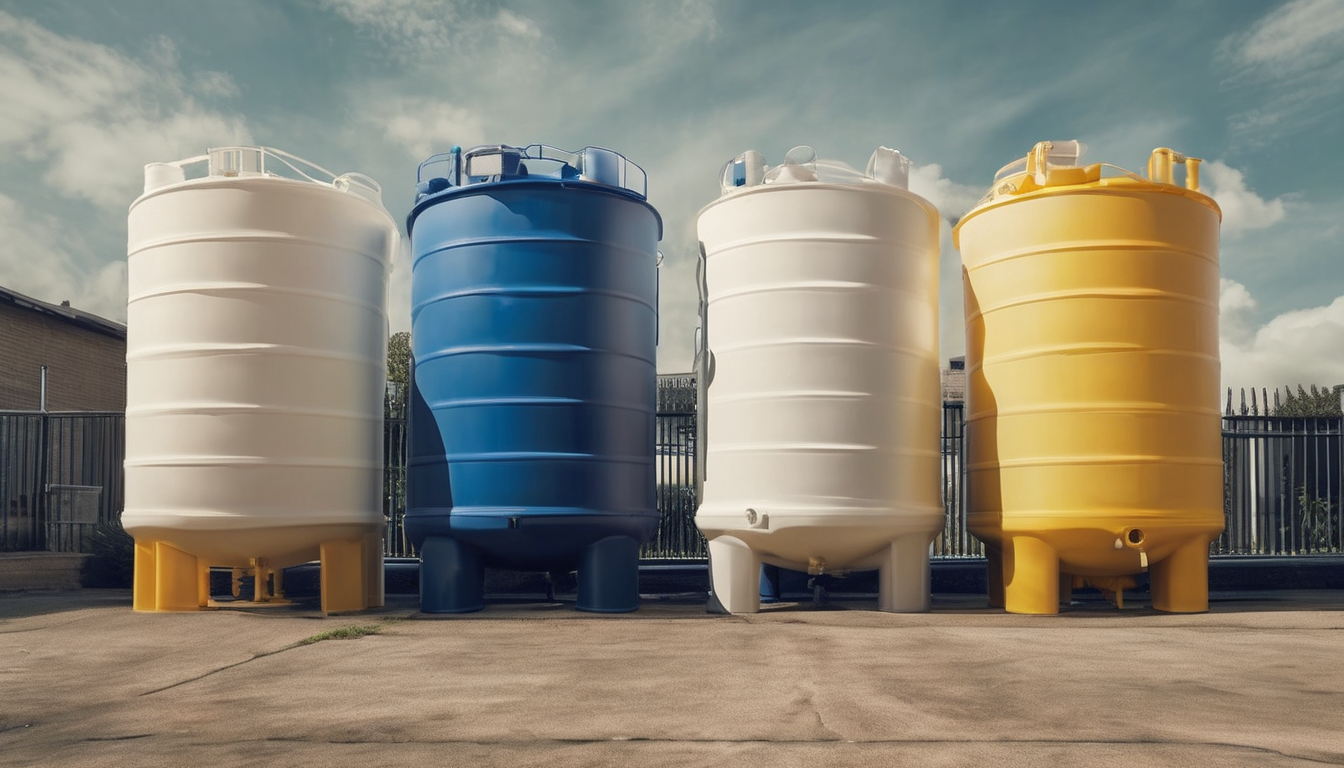
- Durability: Generally more lightweight and easier to install but can degrade over time due to UV exposure, heat, and chemical interactions.
- Maintenance: Easier maintenance with fewer concerns about leaks or cracks. Can be cleaned and repaired relatively easily.
- Aesthetics: Available in a variety of colors and smooth surfaces, making them more visually appealing and versatile for different settings.
Concrete vs. Plastic: Which Tank Material Is More Durable – Durability Comparison: Concrete vs. Plastic
The durability of concrete tanks is often seen as an advantage due to their robustness and resistance to wear and tear over time. However, plastic tanks offer a lighter, more flexible option that can be easier to handle during installation and maintenance. When considering Concrete vs. Plastic: Which Tank Material Is More Durable, this becomes clear.
Concrete Tanks Durability
- High impact resistance: Concrete is less likely to crack or break under physical stress compared to plastic.
- Long service life: With proper maintenance, concrete tanks can last for decades without significant degradation.
- Rust-free: Unlike some metal tanks, concrete does not rust and maintains its integrity over time.
Plastic Tanks Durability
- Lighter weight: Easier to handle during installation but may require additional support structures for large tanks.
- Easier repairs: Smaller cracks or leaks can be easily patched, reducing downtime and costs.
- Resistant to chemicals: Plastic is generally more resistant to chemical degradation compared to concrete in certain environments.
Concrete vs. Plastic: Which Tank Material Is More Durable – Cost Considerations for Concrete vs. Plastic Tanks
The initial cost of a tank can vary significantly based on the material chosen, but long-term costs and maintenance should also be considered. The importance of Concrete vs. Plastic: Which Tank Material Is More Durable is evident here.
Concrete Tanks Costs
- Higher upfront cost: Concrete tanks are typically more expensive to manufacture and install due to their heavy weight and construction complexity.
- Long-term savings: Due to their durability, concrete tanks may offer long-term savings on maintenance and replacement costs.
Plastic Tanks Costs
- Lower upfront cost: Plastic tanks are generally less expensive than concrete due to their lighter weight and simpler manufacturing process.
- Potential higher maintenance costs: Although easier to repair, plastic tanks may require more frequent replacement over time due to material degradation.
Environmental Impact of Concrete vs. Plastic Tanks
The environmental impact of both materials should be considered when deciding on a water tank for your property.
Concrete Environmental Impact
- High embodied energy: The production and transportation of concrete tanks contribute to higher carbon emissions compared to plastic.
- Eco-friendly options: Modern concrete formulations can include recycled materials, reducing environmental impact.
Plastic Environmental Impact
- Lower embodied energy: Plastic tanks generally have a lower carbon footprint compared to concrete due to their lighter weight and simpler manufacturing process.
- Potential for recycling: Some plastic tanks are made from recycled materials, contributing to circular economy goals.
Maintenance and Replacement: Concrete vs. Plastic
Regular maintenance is crucial for ensuring the longevity of both concrete and plastic water tanks. However, the approach to maintenance can differ significantly between the two materials. Understanding Concrete vs. Plastic: Which Tank Material Is More Durable helps with this aspect.
Concrete Maintenance
- Inspection: Regular inspections are necessary to identify any cracks or leaks that may need repair.
- Repairs: Larger issues like cracks and termite damage can be costly and time-consuming to address.
- Sealing: Sealing agents may be required periodically to maintain the integrity of the tank.
Plastic Maintenance
- Easier inspection: Plastic tanks are generally easier to inspect and clean, reducing maintenance time and effort.
- Repairs: Small cracks or leaks can often be patched without significant downtime or cost.
- No sealing required: Unlike concrete, plastic tanks do not require regular sealing.
Noise Levels: Concrete vs. Plastic Tanks
The noise levels generated by water tanks are another factor to consider in your decision-making process.
Concrete Noise Levels
- Quieter operation: Concrete tanks generally produce less noise during filling and emptying due to their solid construction.
- No vibration issues: There is minimal risk of structural damage or vibrations from tank operations.
Plastic Noise Levels
- Higher noise levels: Plastic tanks can produce more noise during filling and emptying, especially with large volumes.
- Vibration issues: While not common, there is a potential for structural vibrations that may require additional support structures.
Verdict: Which Tank Material is More Durable?
The choice between concrete and plastic water tanks ultimately depends on your specific needs. If you prioritize durability, ease of maintenance, and aesthetic appeal, a plastic tank might be the better option. However, if you require a robust solution that can withstand harsh conditions over an extended period, a concrete tank is likely the superior choice. Concrete vs. Plastic: Which Tank Material Is More Durable factors into this consideration.
For many property owners in Dubai, Abu Dhabi, or Sharjah, it’s essential to balance these factors with local regulations and environmental considerations. Consulting with a professional who understands your region’s climate and water storage requirements can help you make an informed decision that best suits your needs. This relates directly to Concrete vs. Plastic: Which Tank Material Is More Durable.
Expert Tips
- Consult Local Regulations: Ensure the tank complies with local building codes and environmental regulations.
- Consider Aesthetic Preferences: Choose a material that matches your property’s design aesthetic.
- Evaluate Maintenance Needs: Assess how often you can realistically maintain the tank to ensure its longevity.
- Think Long-Term Costs: Calculate both initial and long-term costs for each option to make a financially sound decision.
FAQ
- Q: Can concrete tanks handle high temperatures? A: Yes, concrete is highly resistant to extreme heat and can withstand high temperatures without degrading significantly.
- Q: Are plastic tanks prone to cracking in cold weather? A: While plastic tanks are generally more flexible, they may experience some shrinkage in extremely cold temperatures. However, this is less common in modern, high-quality plastics.
- Q: Is termite damage a significant concern with concrete tanks? A: Yes, while concrete is not susceptible to rust or corrosion, it can be vulnerable to termite damage, which may require additional sealing and maintenance.
Conclusion
In conclusion, both concrete and plastic water storage tanks have their advantages. When deciding between the two, consider your specific requirements for durability, cost, aesthetics, environmental impact, and maintenance needs. Consulting with a professional can help you choose the best option that meets your long-term goals. Understanding Concrete vs. Plastic: Which Tank Material Is More Durable is key to success in this area.