







Introduction
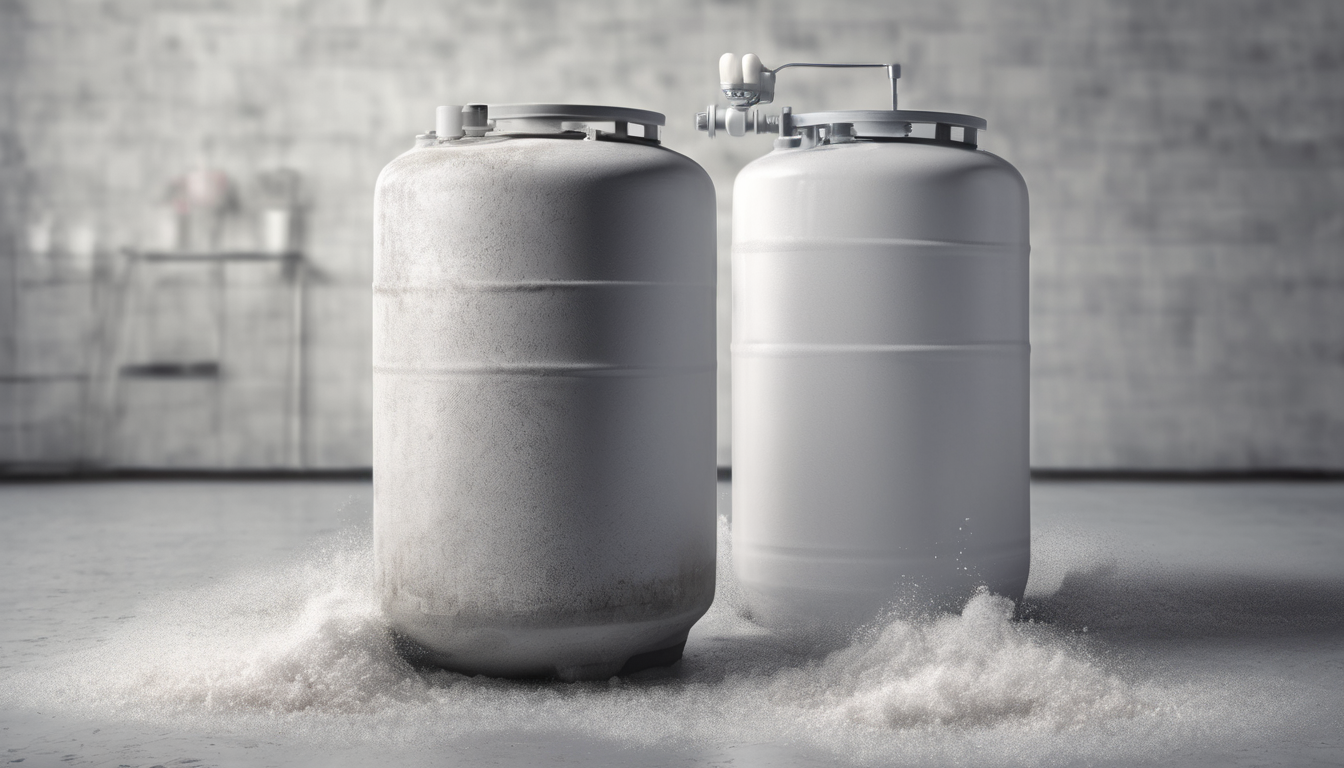
Understanding Is Salt Residue From A Water Softener Normal And Safe For Concrete And Hot Water Tanks is essential. Water softening systems are widely used in homes, businesses, and other establishments to reduce hardness minerals like calcium and magnesium. However, a common question arises: Is the residue left behind from these systems normal and safe for concrete and hot water tanks? Understanding this can help ensure your water storage remains clean and hygienic.
Understanding Salt Residue from Water Softeners
Water softening systems use salt (sodium chloride) to remove hard minerals, but this process can leave behind a residue. This salt deposit is crucial for the system’s functionality as it helps maintain water softness, but it needs proper management to avoid contamination issues.
How Softeners Work
Ion exchange resins in water softeners attract and replace calcium and magnesium ions with sodium ions. As a result, the softened water flows out of the system, ready for use. However, some salt remains behind, adhering to the resin beads and tank walls.
Is Salt Residue Normal and Safe for Concrete Tanks?
Concrete tanks are common in residential and commercial settings due to their durability and cost-effectiveness. When it comes to salt residue:
- Normality: Yes, some level of salt deposit is normal as the system operates.
- Harmfulness: If left unaddressed, excessive salt can cause corrosion and weaken the tank’s integrity over time. Regular cleaning is necessary to prevent these issues.
Precautions for Concrete Tanks
To ensure safety and longevity of concrete tanks:
- Regularly inspect for cracks or leaks, which can exacerbate salt damage.
- Use DM-approved chemicals for cleaning to prevent further corrosion.
- Drain the tank completely before cleaning to reduce salt exposure during the process.
Is Salt Residue Normal and Safe for Hot Water Tanks?
Hot water tanks present a unique challenge due to their operating temperature. Here’s what you need to know:
- Normality: Salt residue is normal but can increase the risk of mineral buildup, which may affect heating efficiency.
- Harmfulness: Excessive salt can lead to scale formation and corrosion in hot water tanks. This can result in poor water quality and increased energy consumption.
Cleaning Procedures for Hot Water Tanks
To manage salt residue effectively:
- Drain the tank before cleaning to remove sediment and reduce heat exposure.
- Use a mixture of water and mild detergent, followed by a thorough rinse with clean water.
- Consider professional cleaning services for optimal results.
How Does Salt Affect Water Quality?
The presence of salt residue can impact the taste, smell, and overall quality of your water. Here’s what to expect:
- Taste: High levels of salt can impart a salty or bitter flavor.
- Odor: Certain chemicals used in softening processes may cause odors.
- Skin and Hair: Excessive minerals from hard water can lead to skin irritation and hair damage, but softened water is generally better for these concerns.
Maintaining Safe Water Quality
To ensure safe drinking water after softening:
- Install a separate faucet filter to remove residual minerals.
- Regularly test your water quality using home testing kits or professional services.
- Adjust the softener settings as needed based on test results and household needs.
Effective Cleaning Procedures for Concrete and Hot Water Tanks
Proper cleaning is essential to maintain tank integrity and water quality. Here’s how to approach each type of tank:
- Concrete Tanks: Clean using a mild detergent solution and follow up with a thorough rinse.
- Hot Water Tanks: Drain the tank, use a mixture of water and a mild detergent, then rinse thoroughly to remove all residue.
Maintenance Strategies to Mitigate Residue Buildup
To minimize salt residue issues in your tanks:
- Regular Inspections: Check for cracks or leaks and clean the tank as needed.
- Proper Filtration: Use a water filter to remove any residual minerals after softening.
- Tank Liners: Install liners in tanks that are prone to corrosion.
Frequently Asked Questions
-
Q: Can I use any cleaning agent for my water tank?
A: No, always use DM-approved chemicals to avoid damaging the tank or compromising water safety.
-
Q: How often should I clean my water tanks?
A: Schedule regular cleaning based on usage and recommendations from your softener manufacturer. Typically, this is every 6-12 months for concrete tanks and more frequently for hot water tanks.
-
Q: Can I ignore salt residue if my water tastes fine?
A: While taste may not be affected immediately, other issues like scale formation or corrosion can develop over time. Regular cleaning is essential for long-term safety and efficiency. This relates directly to Is Salt Residue From A Water Softener Normal And Safe For Concrete And Hot Water Tanks.
Conclusion
While salt residue from water softeners is normal, it requires careful management to ensure safe storage in concrete and hot water tanks. Regular inspections and proper cleaning procedures can help mitigate issues like corrosion or mineral buildup. By staying informed and proactive, you can maintain clean, healthy water for your home or business. Understanding Is Salt Residue From A Water Softener Normal And Safe For Concrete And Hot Water Tanks is key to success in this area.